Signs Your Child Is Ready for Preschool: A Guide for Round Rock Parents
Not sure if your toddler is ready for preschool? These are the key signs developmental experts and experienced preschool teachers look for—and what to do if your child is not quite there yet.
One of the most common questions parents in Round Rock ask is simple: how do I know when my child is ready for preschool? There is no single answer, but there are clear developmental signs that indicate a child is ready to benefit from a structured early learning environment.
This guide walks you through what to look for, what "preschool readiness" actually means, and how to support your child in making a confident, successful transition.
What Does "Preschool Ready" Actually Mean?
Preschool readiness does not mean your child already knows their letters, can count to 20, or sits perfectly still. It means your child has developed enough social, emotional, and basic self-care skills to participate in a group setting and benefit from the learning environment.
In fact, most of what preschool is designed to teach—curiosity, cooperation, early literacy, self-regulation—is built during preschool, not required before it. The goal of readiness is not perfection; it is a baseline foundation that the program can build on.
Key Signs Your Child May Be Ready for Preschool
1. They Show Curiosity and Interest in Learning
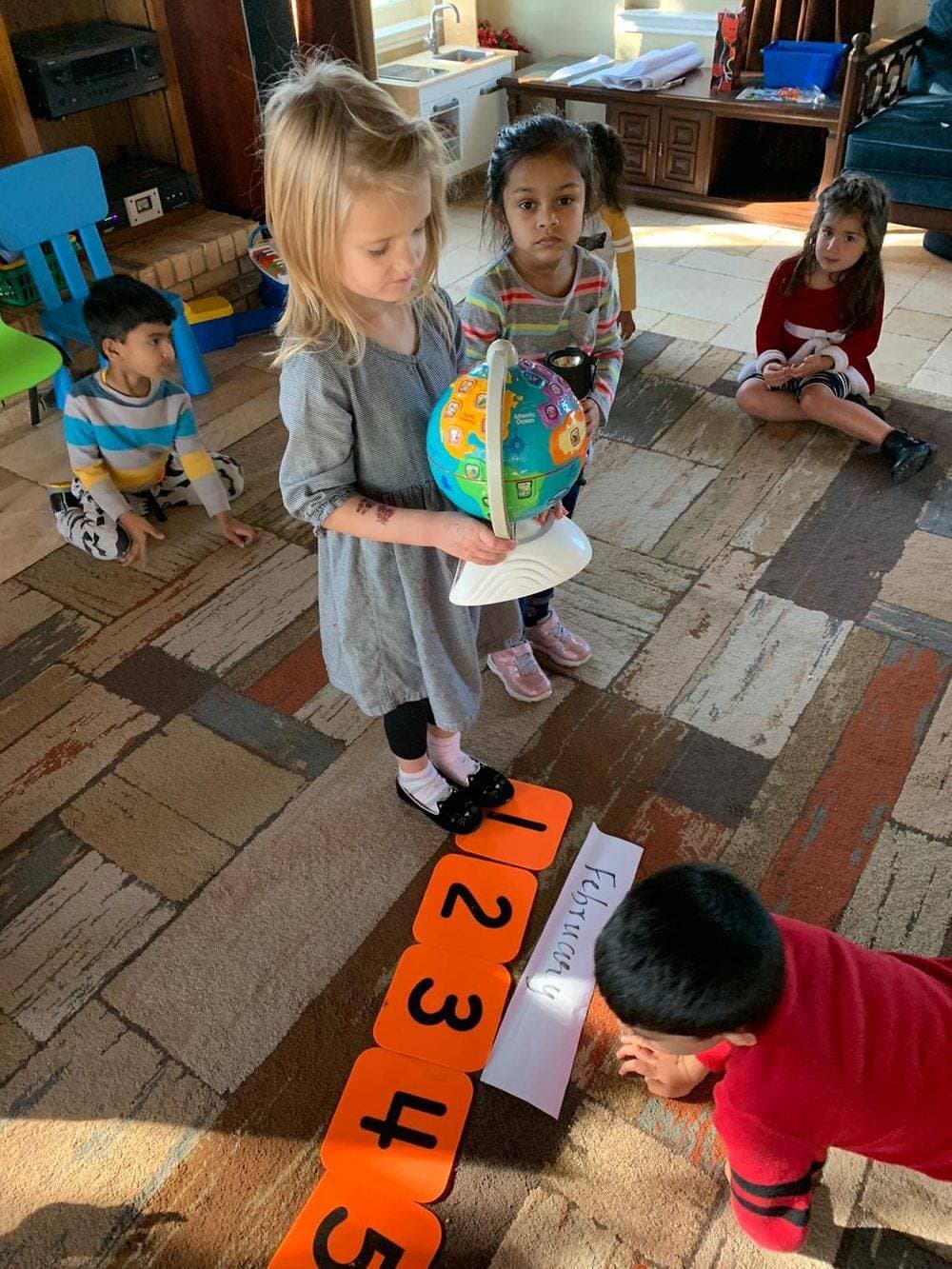
Preschool-ready children are naturally curious. They ask questions constantly, want to explore how things work, and show sustained interest in books, puzzles, or activities. This curiosity is the engine of preschool learning.
2. They Can Separate from You (Even Briefly)
This is often the one that causes the most anxiety for parents—and children. Your child does not need to love being away from you, but they should be able to separate without prolonged distress. If your child can stay with a trusted adult (grandparent, family friend) for a few hours without extended crying, that is a positive sign.
If separation anxiety is intense, it is worth speaking with your child's pediatrician and choosing a preschool with a strong transition protocol.
3. They Are Interested in Other Children
Children who watch other kids play, try to join in, or show excitement around peers are showing social readiness. Preschool is fundamentally a social environment, and children who are drawn to peer interaction tend to adjust more quickly.
4. They Can Follow Simple Two-Step Instructions
"Put your shoes by the door and wash your hands" is the type of instruction a preschool day involves. If your child can reliably follow two-step directions, they have the foundational listening and comprehension skills to participate in classroom routines.
5. They Have Basic Self-Care Skills
Preschool-ready children should be able to handle basic self-care with minimal assistance: feeding themselves, washing hands, communicating when they need to use the bathroom (even if not yet fully toilet trained), and managing simple clothing like shoes and jackets.
Note: Many preschool programs, including programs serving younger children, do not require full toilet training. Ask the specific program about their policy.
6. They Can Communicate Their Needs
Your child does not need to have perfect speech, but they should be able to express basic needs and feelings verbally—"I'm hungry," "I need help," "I don't like that." Children who cannot yet communicate needs verbally may find the preschool environment more frustrating.
7. They Can Sit Briefly for a Focused Activity
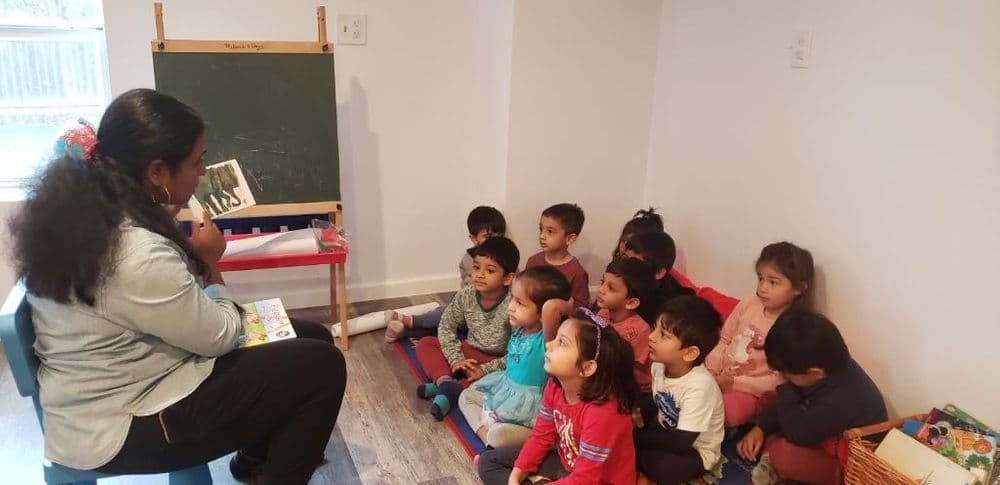
Preschool involves periods of focused activity—circle time, story time, group lessons. Children who can sit and engage with a book, puzzle, or activity for 5–10 minutes at home are showing the attention span needed to participate.
What If My Child Isn't Showing These Signs Yet?
Not every child develops at the same pace, and many children who struggle with one or two of these areas still do very well in preschool. A few things to consider:
**Age matters.** A 2.5-year-old may not yet show all these signs, and that is completely normal. Many programs begin accepting children at 3, which gives younger toddlers time to develop.
**The right environment helps.** Quality preschool programs—particularly Montessori-based programs—are designed to meet children where they are and build readiness skills within the classroom, not just assume them.
**Talk to the teachers.** Experienced preschool educators see hundreds of children. If you share your specific concerns, a good program director will give you an honest assessment of whether their program is a good fit and what a transition might look like.
What About Age? When Is the Right Age to Start Preschool?
Most preschool programs begin at age 3, though some programs accept children at 2.5 or even younger for toddler programs. Kindergarten in Texas begins at age 5, which means most children have a two-to-three year window for preschool.
Starting earlier—at 2.5 or 3—allows more time to build foundational skills at a relaxed pace. Starting at 4 still leaves a full year of preschool before kindergarten and can work well for children who needed more time to develop.
How to Help Your Child Get Ready for Preschool
If your child is approaching preschool age and you want to prepare them, a few simple practices help:
**Read together every day.** This builds vocabulary, listening skills, and a love of stories that directly supports preschool learning.
**Practice short separations.** Arrange playdates or short stays with trusted adults to build comfort with being away from you.
**Talk about feelings.** Help your child name emotions throughout the day. Emotional literacy is one of the most important preschool readiness skills.
**Establish simple routines.** Morning and evening routines that children can follow independently build the sequencing and self-management skills preschool requires.
**Visit the preschool ahead of time.** Many programs offer tours or open houses. Bringing your child before their first official day reduces anxiety and makes the environment feel familiar.
Preschool Readiness at Learning House Preschool
At Learning House Preschool in Round Rock, we work with children at every stage of readiness. Our Montessori-inspired approach is designed to meet each child where they are—whether they walk in confidently or need extra time to warm up. Our experienced teachers, led by Ms. Reena with over 25 years in early childhood education, are skilled at supporting children through the transition process and building the readiness skills that matter most.
We accept children from 6 weeks through kindergarten, which means we can support your child through every stage of early development—from infancy through school preparation.
If you are wondering whether your child is ready or which of our programs would be the best fit, we encourage you to schedule a tour and speak with our team. Contact us at (512) 238-9851 or learninghousepreschool@gmail.com.